

Comprehensive Specialized Care in Allergy, Asthma, and Sinus
Serving the needs of the Dallas community for 20 years.
Learn how we can help

How can we help you today?
I would like to:

Conquer food allergies
Uncover the specific food triggering your allergic condition.
Explore Food Allergy Care

Find relief from sinus pain
Find out what is causing your sinus congestion or obstruction.
Explore Sinus CarePatient Education
Check out these helpful posts.
- Allergies
- Allergy
- Asthma
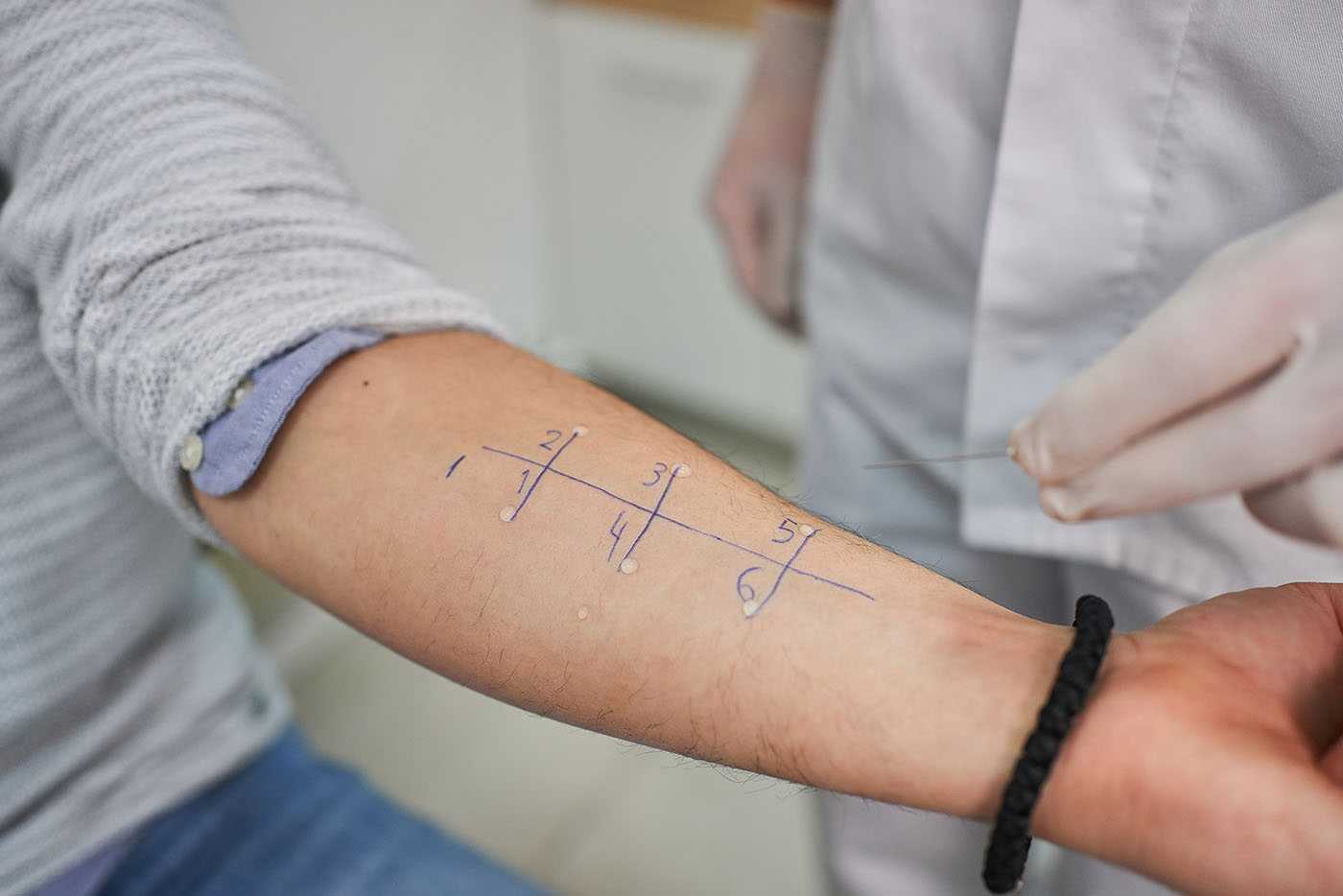
Ready for Allergy Testing? Here’s What You Need to Know
What Exactly is Allergy Testing? Allergy testing is like an investigation into your immune system. It helps identify the specific…

- Allergies
- Allergy
- Asthma
Spring Allergies — What to Know and How to Feel Better
If you’re sniffling, sneezing and itching your eyes more than usual, chances are you’re not alone. Ah, springtime in Texas—a…

- Allergies
- Allergy
- Asthma
An Unwelcome Guest: Mold
It’s the last thing you want to hear… you’ve got MOLD! You value an open and welcoming home, but mold?…
5 offices to choose from
Find the location most convenient for you. We’ll see you there!
Plano
6100 Windcom Court, Suite 101
Plano, Texas 75093
Phone: 972-398-3500
McKinney
7785 Eldorado Pkwy, Suite 500
McKinney, TX 75070
Phone: 972-542-0500
Allen
1101 Raintree Circle, Suite 140
Allen, Texas 75013
Phone: 469-656-1057
Frisco
12950 Dallas Parkway, Suite 700
Frisco, Texas 75033
Phone: 972-569-8500
Sherman/Denison
5012 South US HWY 75, Suite 150
Denison, TX 75020
Phone: 903-463-8400
Book an appointment
Build a comprehensive treatment plan with our providers by calling one of our offices or requesting an appointment.
Plano
(972) 398-3500Denison
(903) 463-8400McKinney
(972) 542-0500Allen
(469) 656-1057Frisco
(972) 569-8500or